Ah, the kitchen worktop! For many of us, it's the unsung hero of our homes. It's where culinary dreams are born, where homework battles are fought, and where countless cups of coffee are poured in the early morning quiet. There's a certain satisfaction, isn't there, in a well-organized and perfectly positioned worktop? It’s more than just a surface; it’s the command center for so much of our daily lives, a place of both function and (dare I say it?) aesthetic joy.
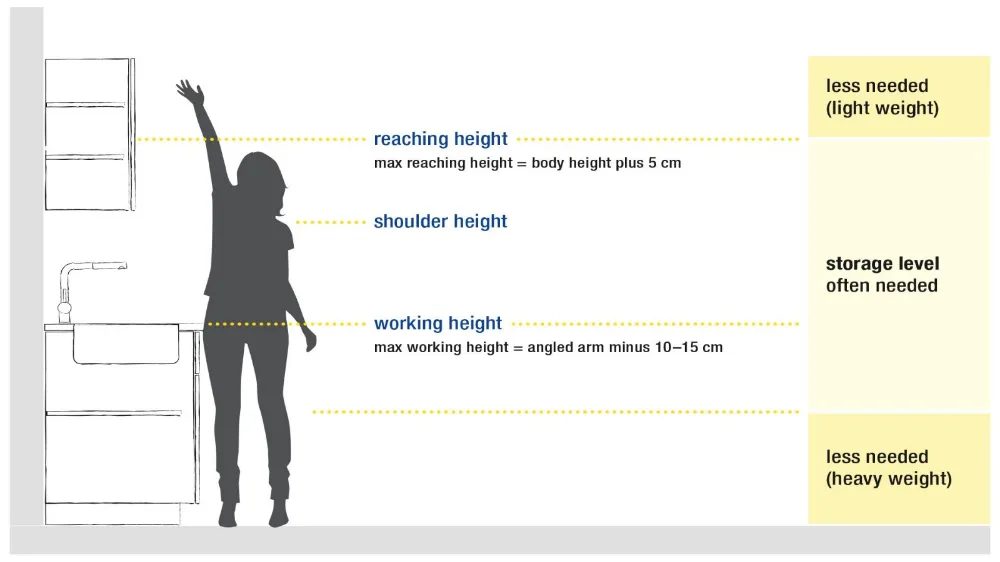
But let's get down to brass tacks. The height of your kitchen worktop is surprisingly crucial. It’s not just a random measurement; it’s engineered to serve a very specific purpose: to make your life in the kitchen easier and more comfortable. Think about it: a worktop that’s too high can strain your back and shoulders as you chop, knead, or even just load the dishwasher. Conversely, one that's too low can lead to hunching and discomfort, turning a simple task into a chore.
The standard height for kitchen worktops in many parts of the world hovers around 90cm (approximately 36 inches). This measurement is generally considered ideal for the average person, allowing for a neutral posture when performing most kitchen tasks. It facilitates a comfortable elbow angle, reducing the risk of repetitive strain injuries and making those long cooking sessions a lot more enjoyable. It’s the perfect height for rolling out dough, prepping vegetables, or even just leaning against with a cup of tea while contemplating your next culinary masterpiece.
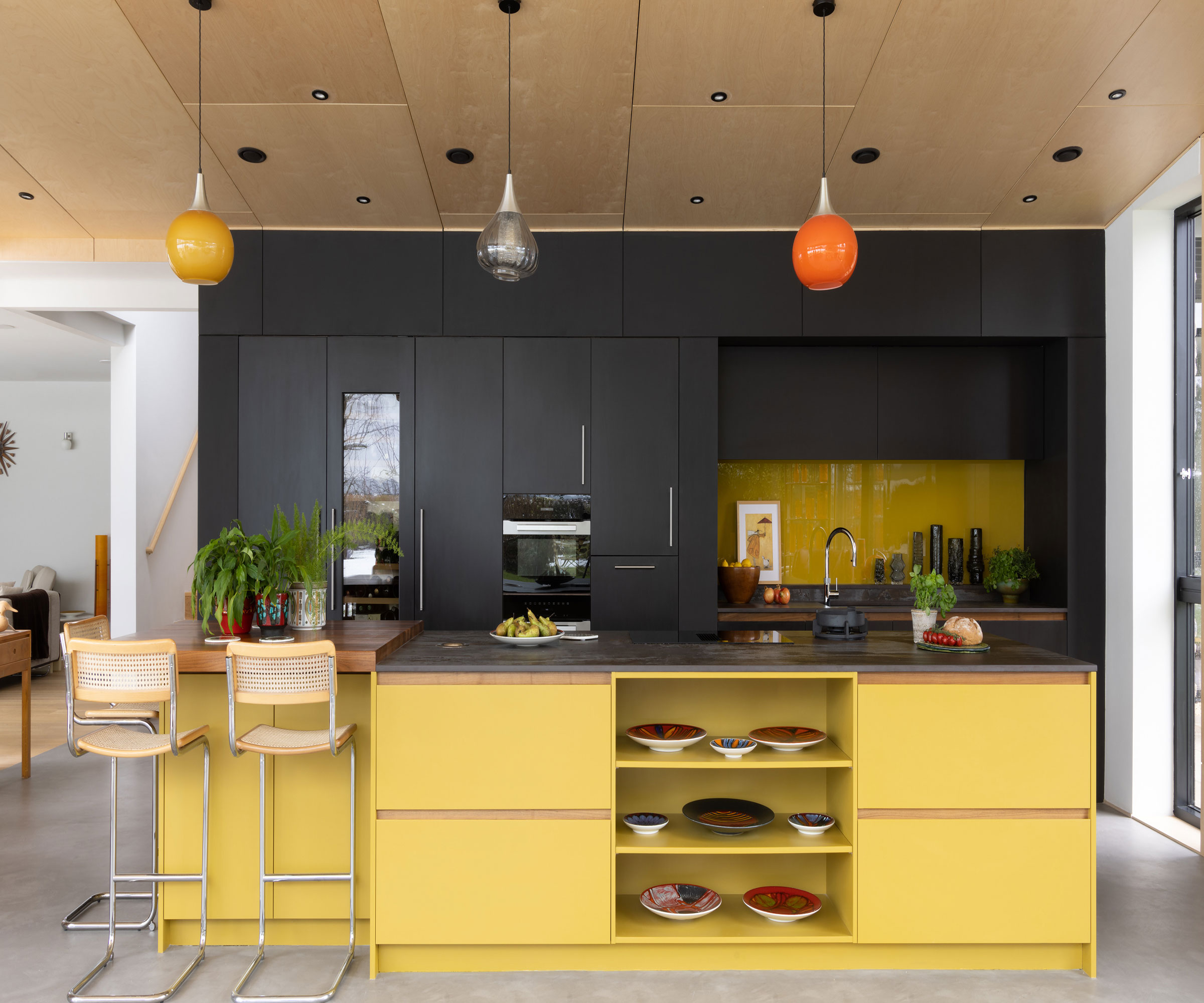
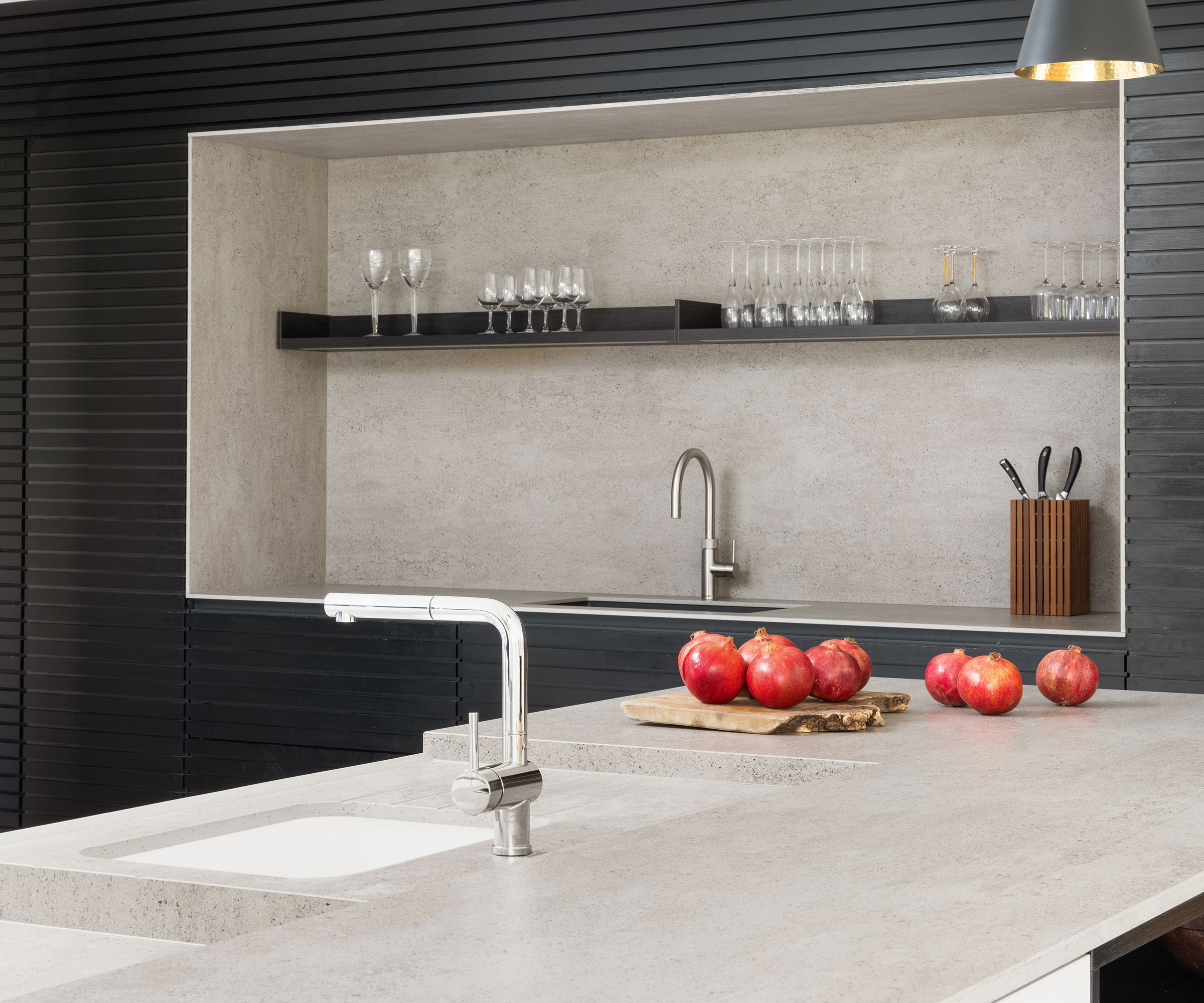
We see this standard applied in countless kitchens, from compact apartments to sprawling family homes. It’s the height you’ll find in most off-the-shelf kitchen cabinetry, and for good reason. However, kitchens are becoming increasingly personalized. Many people are now opting for custom worktop heights to perfectly suit their needs. For taller individuals, a slightly higher worktop can be a revelation, eliminating the need to stoop. For those with mobility issues or who prefer to sit while working, a lower worktop can be a more practical solution. Some kitchens even feature multi-level worktops, offering different heights for various tasks, which is a brilliant way to optimize ergonomics.

So, how can you make the most of your worktop situation? First, assess your current setup. Do you find yourself constantly adjusting your posture? Does your back ache after cooking? If so, it might be time to consider adjustments. If you're planning a renovation, measure yourself! Stand in front of a counter and see where your natural elbow height falls when your arms are relaxed. This is a great starting point for determining your ideal worktop height. Even small changes, like adding a thicker or thinner splashback, can subtly alter the perceived height. Consider investing in a comfortable anti-fatigue mat if you stand for long periods; it can make a world of difference regardless of your worktop height.
Ultimately, the perfect kitchen worktop height is one that allows you to move freely, work efficiently, and enjoy the process of creating in your kitchen. It’s a small detail that can have a big impact on your comfort and well-being.