Ah, the tax year! It’s a phrase that can conjure up images of spreadsheets and hurried trips to the accountant. But let’s sprinkle some stardust on this seemingly dry topic and discover the magic woven into its very fabric. Think of it as a cosmic calendar, not just for Uncle Sam, but for the rhythm of our lives.
In many countries, especially here in the United States, the tax year often aligns with the regular calendar year. That means it kicks off on January 1st, like a brand new notebook just waiting for your brilliant scribbles. And it wraps up neatly on December 31st, like a perfectly tied gift. It's a familiar dance, a comforting beat we all march to.
But here's where things get a little quirky, a little like a mischievous gremlin hiding in the accounting software. Not everyone plays by the same calendar rules! Some businesses, and even some individuals, might operate on a different fiscal year. This is their own special timeline, their own unique way of marking the passage of financial time.
The Calendar Year Crew
For most of us, the tax year is simply January 1 to December 31. This is the most common setup, the default setting for your life’s financial operating system. It’s straightforward, like a well-loved recipe.
This calendar year alignment is a big reason why we hear so much about "tax season" in the early months of the year. All the financial activity from the previous year needs to be tallied up, sorted, and reported. It’s a collective exhale, a grand accounting of the year gone by.
Think of all the little moments that contribute to this. The coffees bought, the books purchased, the miles driven for work. They all become data points in this grand yearly narrative. Even that impulse buy you might have regretted? It’s part of the story.
The Fiscal Year Funnies
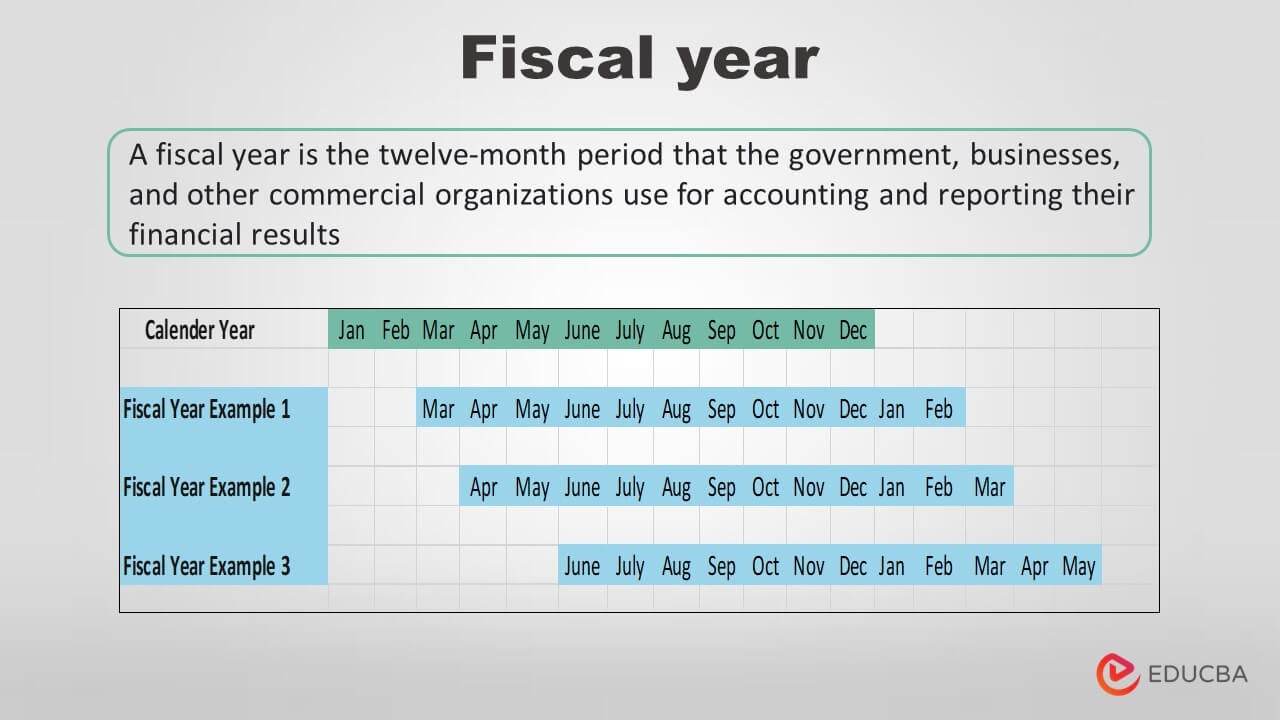
Now, let’s talk about those rebels, the ones who march to the beat of a different drum: the fiscal year. This is a 12-month period that doesn’t necessarily line up with January to December. It can start and end at any point in the year.
Imagine a bakery owner deciding their “year” really begins in September, when autumn baking season kicks off. Their fiscal year might run from September 1st to August 31st. It makes perfect sense for their business! It’s like choosing your favorite season as your personal New Year.
This is particularly common for businesses, especially larger corporations. They might choose a fiscal year that aligns with their peak selling seasons or their operational cycles. For instance, a retail store that does most of its business during the holiday season might end its fiscal year in January or February. This allows them to capture all those festive sales.
And sometimes, it’s not about seasons at all. It might be about a strategic financial decision. For example, a company might choose a fiscal year that ends right after a major project is completed, making the accounting process smoother. It’s like planning your vacation around the best weather.

Why Does It Matter? (Besides the Obvious!)
You might be wondering, “Why should I care about these dates?” Well, beyond the obligation to pay taxes, understanding your tax year dates can be surprisingly beneficial. It’s about knowing the rhythm of your own financial life.
For individuals on the calendar year, the key date to remember is typically April 15th (or the next business day if it falls on a weekend or holiday). This is the big deadline for filing your federal income tax returns. It's the grand finale of the tax year performance.
But for those with a different fiscal year, their filing deadlines will be different too. They'll have their own unique April 15th, but it won't be the same one we’re all cramming for. It’s like having a secret handshake with the taxman, known only to a select few.
The Heartwarming Side of Tax Dates
Let's shift gears from deadlines and forms and find the human element. Think about what these dates represent. The end of a tax year isn't just about numbers; it's about acknowledging the fruits of our labor.
It’s a moment to reflect on the businesses that have thrived, the jobs that have been created, and the services that have been funded. Those tax dollars are the building blocks of our communities – the schools where our children learn, the roads we drive on, the parks where we play. It’s a collective contribution to the tapestry of our society.
It’s like a giant community potluck where everyone brings a dish that represents their year’s efforts.
And for businesses operating on a fiscal year, that end date can be a moment of celebration. It’s a chance to look back at their achievements, to see how their hard work has paid off. It’s a financial report card, a testament to their resilience and ingenuity.
A Little Humor in the Numbers
Let’s be honest, the world of taxes can feel a bit like a complicated puzzle designed by someone with a very peculiar sense of humor. But even within the jargon, there are moments of amusement.
Ever wondered why the tax forms are so long? Some say it’s to ensure you have enough reading material to fill the waiting room at the dentist’s office. Others suggest it’s a subtle form of endurance training for your brain. Whatever the reason, it’s a shared experience, a knowing wink between taxpayers.

And the sheer number of deductions and credits available can feel like a treasure hunt. You’re constantly searching for those hidden gems that can lighten your tax burden. It’s a financial scavenger hunt, and the prize is a little extra cash.
Navigating Your Own Timeline
So, while the calendar year tax dates are the most common, it’s always wise to know your specific situation. Are you a calendar year filer? Or does your business operate on a different fiscal cycle? A quick check with your accountant or a peek at your business registration documents can clear things up.
Understanding these dates isn't just about avoiding penalties; it's about understanding the rhythm of your financial life. It's about knowing when to prepare, when to file, and when to look back and appreciate the year's journey. It’s about owning your financial narrative.
So, the next time you hear about "tax year dates," don't just think of forms and deadlines. Think of the unique calendar you're following, the collective effort of a nation, and the quiet hum of financial activity that keeps our world spinning. It’s a story written in numbers, but lived by people, with all their triumphs, struggles, and the occasional, much-needed chuckle.