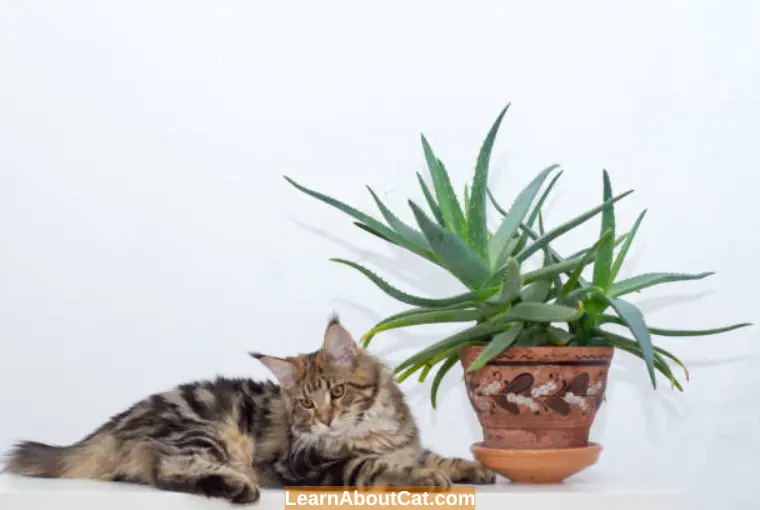
So, you're chilling with your cat. They're probably napping in a sunbeam, looking all regal. You’ve got your trusty aloe vera plant sitting pretty on the windowsill, right? It’s the go-to for sunburns and minor cuts. Super useful!
But then, a thought pops into your head. A tiny, nagging thought. Is this leafy friend, this soothing gel dispenser, actually safe for your furry overlord?
Let's dive in! Because honestly, the world of pet-safe plants is a wild one. And aloe vera? It’s got some… interesting quirks.
The Great Aloe Debate: Is It a Pussycat Pal or a Purr-fect Poison?
Okay, deep breaths. For the most part, the gel inside the aloe vera plant is generally considered safe for cats. This is the stuff you use for your own skin. The clear, gooey goodness. That’s the hero part.
The problem, my friend, lies in the leafy parts. Specifically, a yellow, bitter sap found just under the skin of the leaves. This sap is called latex, and it’s where the trouble starts.
Why the Fuss About Latex?
Imagine your cat, with their insatiable curiosity. They might nibble on your aloe. It's not out of malice, of course. It's pure, unadulterated feline exploration. They see a green thing. They chew a green thing. Simple as that.
If they get a taste of that bitter latex, it’s not going to be a pleasant experience for them. Or for you, frankly.
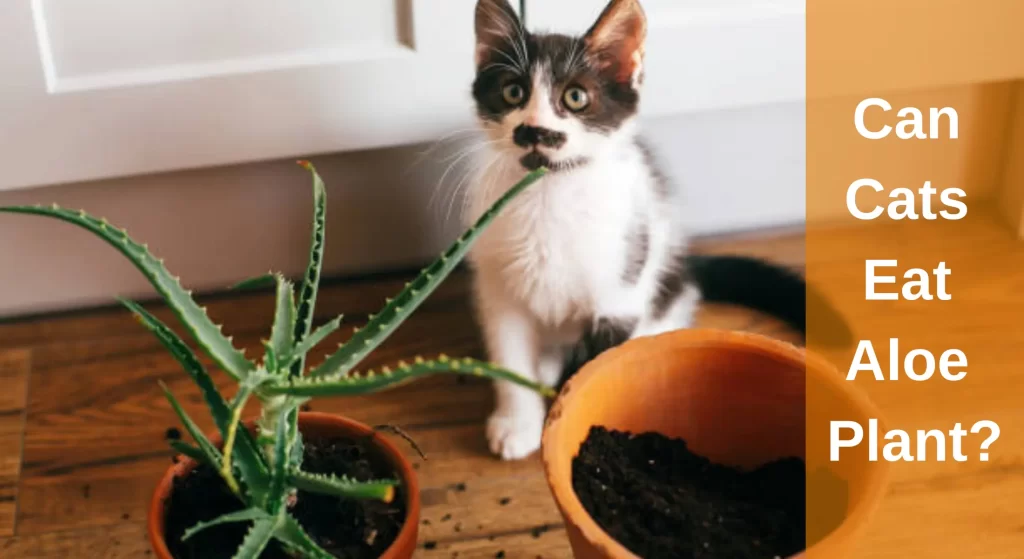
This latex contains compounds that can cause some serious tummy troubles for your cat. We’re talking about vomiting. And maybe some diarrhea too. It’s not exactly the kind of “gift” your cat usually leaves you on the rug, but it's definitely unpleasant.
The Not-So-Sweet Side of Aloe
Some sources even say that ingesting enough of the latex can lead to more severe symptoms, like lethargy and even tremors. Now, we don't want that for our precious kitties, do we? Absolutely not!
Think of it like this: you wouldn't let your cat munch on a hot pepper, would you? Same principle. It's just not meant for their delicate digestive systems.
So, while the gel is great for your boo-boos, it’s not a kitty spa treatment. It’s like having a fantastic dessert that’s secretly loaded with ingredients they can’t digest. Bummer, right?
But My Cat LOVES Aloe!
This is where things get really quirky. Some cats seem to have a weird fascination with aloe. They might bat at the leaves, sniff them intensely, or even take a tentative lick.

It’s like they’re drawn to the mysterious green allure. Maybe they sense the healing properties. Or maybe they just like the texture. Who knows what goes on in those tiny cat brains?
The key here is supervision. If you have an aloe plant and a curious cat, you need to be vigilant. Keep an eye on them. If they start getting a little too interested, gently redirect them.
You can distract them with a new toy. Or perhaps a tasty cat treat. Anything to shift their focus from the potentially problematic plant to something more cat-approved.
So, What’s the Verdict?
Here’s the fun part: it's not a simple "yes" or "no." It’s more of a "well, it depends!"

If your cat is a super chill, plant-ignoring kind of feline, you might be in the clear. If they're more of a plant-munching explorer, then you need to be a bit more cautious.
The safest bet is to keep your aloe plant out of your cat's reach. Think high shelves, hanging baskets, or even a dedicated plant room if you’re feeling fancy.
It’s all about creating a safe and happy environment for everyone in your household. Including your four-legged, purring companions.
What About Other Aloe Varieties?
Now, this is where it gets even more interesting. Not all plants labeled "aloe" are the true Aloe vera. Some are actually in the same family but are different species. And their toxicity levels can vary.
For example, there are plants like the Haworthia, which look similar to aloe but are generally considered safe for cats. They're like the chill cousins of the aloe family. Still green, still pretty, but less likely to cause a feline meltdown.
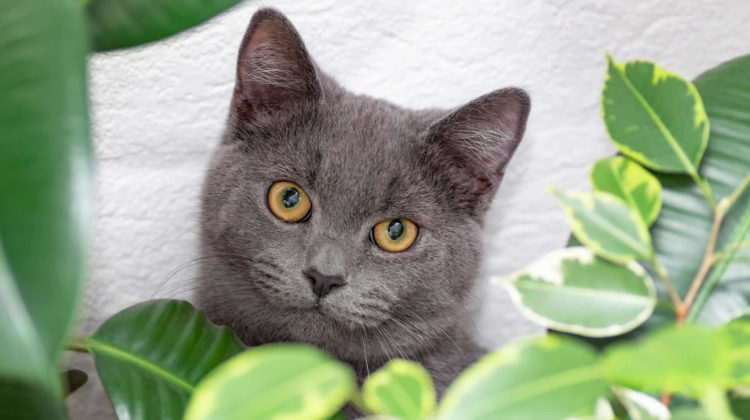
This is why knowing your plant's exact name is super important! It’s like knowing your friend’s full name before inviting them to your party. You want to make sure they're a good fit!
The Takeaway for Plant-Loving Pet Parents
Here’s the fun, playful advice: If you have an aloe plant and a cat, treat your aloe plant like a precious jewel. Keep it out of paw's reach.
And if your cat does happen to take a nibble and starts showing signs of distress – like vomiting or diarrhea – don't panic. But do contact your veterinarian immediately. They're the real heroes in these situations.
It’s all part of the adventure of being a pet parent, right? Navigating the world of plants and our furry friends. It’s full of little mysteries and occasional surprises.
So, enjoy your aloe, and enjoy your cat. Just keep them on their respective, safe sides. And maybe invest in some cat grass. That’s always a safe bet for a little feline greenery!