Ever stopped to think about those little pearly whites in your mouth? They're pretty amazing, aren't they? From chomping down on a juicy apple to flashing a confident smile, our teeth are constant companions. But have you ever wondered, just how many of these trusty tools do we actually have? It's a question that might seem simple, but the answer reveals a fascinating journey of growth and change throughout our lives. Understanding this can even help us take better care of our chompers, ensuring they serve us well for years to come. So, let's dive into the wonderful world of human dentition and discover the story behind our dental count!
The Two Sets of Wonders
The truth is, most humans don't have just one set of teeth; they have two! It’s like having a "starter kit" and then a "permanent upgrade."
First, we get our baby teeth, also known as primary teeth or deciduous teeth. These are the ones that appear in our mouths during infancy and early childhood. They're smaller and whiter than adult teeth, and there are 20 of them in total. Think of them as placeholders, carefully designed to help us chew our first foods and speak clearly as we grow.
These baby teeth play a super important role. They guide the eruption of our permanent teeth, ensuring they come in straight and in the right positions. They also help to maintain the structure of our jaw and mouth, which is vital for proper facial development. So, while they might seem temporary, these 20 little teeth are essential architects of our smiles.
Then, somewhere around age six, the magic starts to happen. Those baby teeth begin to loosen and fall out, making way for the grand entrance of our adult teeth, or permanent teeth. This is a rite of passage for many, often accompanied by a visit from the Tooth Fairy! The process is gradual, with different teeth appearing at different times. It's a carefully orchestrated dance as the roots of the baby teeth are absorbed by the body, allowing them to become wiggly and eventually fall out.

The Full Adult Smile
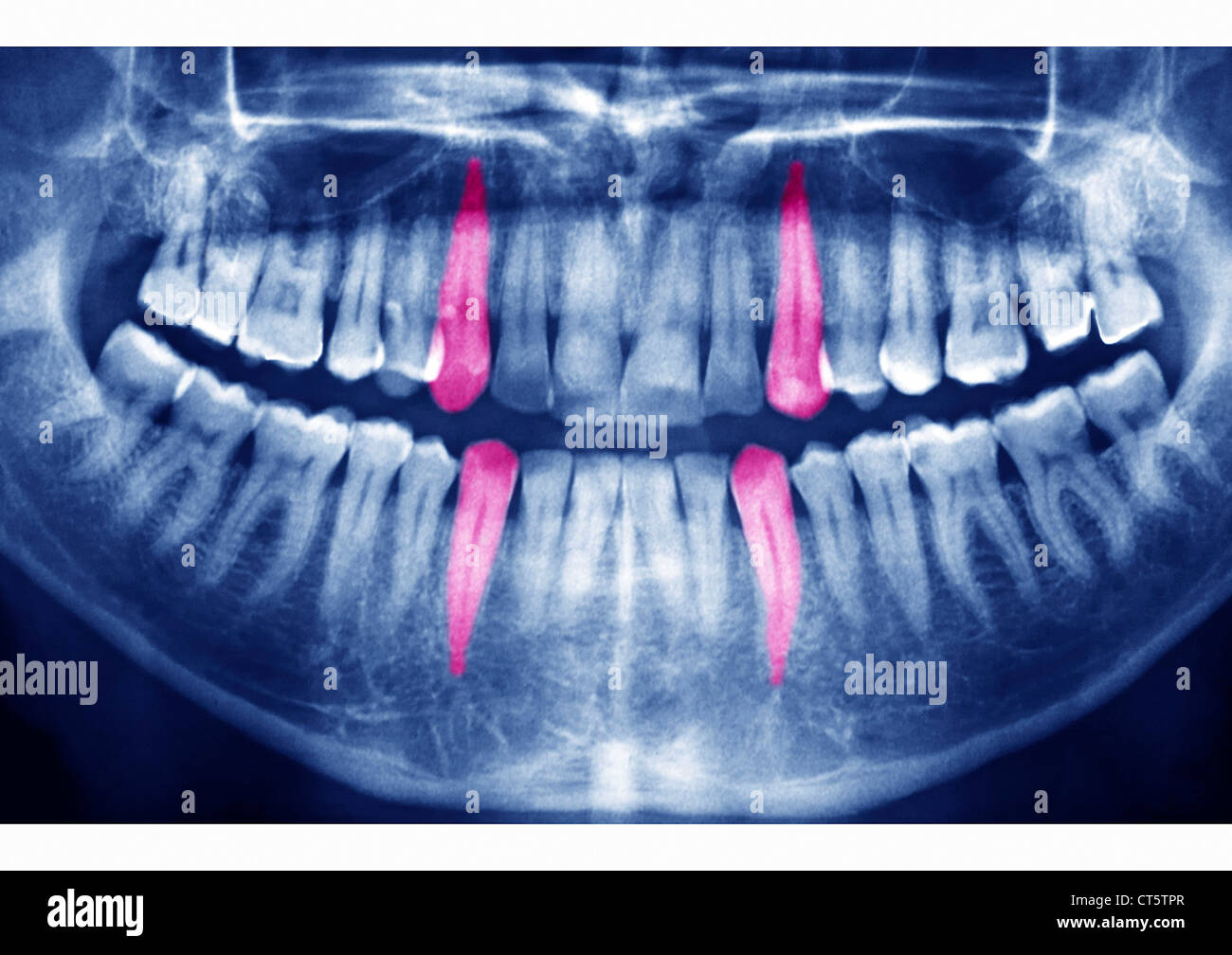
By the time we reach our late teens or early twenties, our permanent set of teeth is usually complete. This impressive collection consists of 32 teeth in total. That's double the number of our baby teeth! This larger set is designed for a lifetime of chewing, grinding, and smiling.
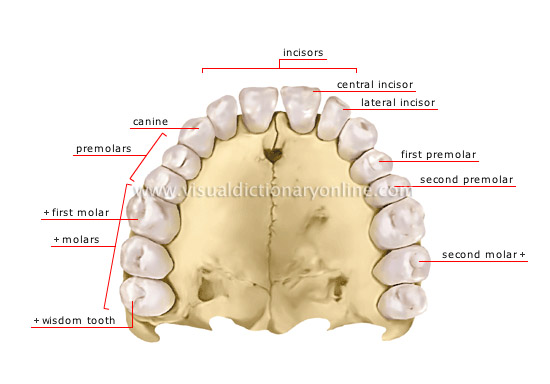
These 32 adult teeth are categorized into different types, each with a specific job:

- Incisors: These are the eight front teeth, four on the top and four on the bottom. They're flat and sharp, perfect for biting and cutting food. Think of them as our food scissors!
- Canines: Located next to the incisors, these are the pointed teeth. We have four of them. Their job is to tear and shred food, like a trusty pair of pliers.
- Premolars: Situated behind the canines, we have eight premolars. These are broader and flatter than canines, and they help in crushing and grinding food. They act as a bridge between tearing and grinding.
- Molars: These are the largest teeth, found at the back of the mouth. We have 12 molars, including the wisdom teeth. Their primary function is to grind and crush food into smaller pieces, making it easier to swallow and digest. They're our powerful food processors!
The Mystery of the Wisdom Teeth
Now, about those wisdom teeth. They are the last set of molars to erupt, typically between the ages of 17 and 25. For many people, these four extra molars bring their total count to the full 32. However, the story of wisdom teeth is a bit more complicated. Sometimes, there isn't enough room in the jaw for them to erupt properly. They can become impacted, meaning they are stuck beneath the gum line or growing at an angle. In these cases, they might need to be surgically removed to prevent pain, infection, and damage to other teeth.
It's also worth noting that some individuals naturally develop fewer than 32 permanent teeth, while others might have even more. So, while 32 is the standard, the human body can sometimes have its own unique variations. This is why regular dental check-ups are so important. Your dentist can track the development of your teeth, identify any potential issues with your wisdom teeth, and ensure your smile is as healthy as possible.
So, the next time you bite into something delicious or share a laugh, take a moment to appreciate your dental architecture. From the initial 20 baby teeth that helped you learn to chew and speak, to the full complement of 32 adult teeth that will serve you for a lifetime, your mouth is a testament to remarkable biological engineering. It’s a fascinating journey from a gummy grin to a complete, functional set of chompers!



/images/vimeo_thumbnails/258808485/rBUQPQGNNFoCr4FQEWCf0w_overlay.jpg)
:max_bytes(150000):strip_icc()/HowManyTeethDoAdultsHave-final-0c3dd9a52cdf4801b386595a3a601911.png)