So, you’re thinking about lacing up those trainers, maybe even dreaming of that finisher’s medal? Awesome! The world of running is buzzing, and one of the most popular distances out there is the half marathon. It’s like the Goldilocks of races: not too short to feel like a sprint, and not so long that you’re questioning all your life choices halfway through. But, if you’re just dipping your toes into the running waters, a question might naturally bubble up: how long is a half marathon? Let’s break it down in that easy-going, coffee-sipping kind of way.
At its core, the answer is pretty straightforward. A half marathon is exactly that – half the distance of a full marathon. And since we all know (or can quickly Google!) that a full marathon clocks in at a rather impressive 26.2 miles, a half marathon is precisely 13.1 miles. Yep, that’s it. Simple as that.
Now, while 13.1 miles might sound like a mere number on a page, it’s a distance that holds a lot of magic, a lot of sweat, and a surprising amount of personal triumph. It’s the distance that many runners find to be the sweet spot. It’s challenging enough to feel like a real accomplishment, but manageable enough that with a bit of consistent training, it’s achievable for a wide range of fitness levels.
Beyond the Numbers: What 13.1 Miles Really Feels Like
Okay, so we know the distance. But what does 13.1 miles feel like? Think of it this way: if a 5K is a brisk walk around your local park, and a full marathon is like climbing Mount Everest (okay, slight exaggeration, but you get the idea!), then a half marathon is like a really, really epic hike with a fantastic view at the end. It’s a journey. It’s a mental game as much as a physical one.
Imagine this: you’re out for a run, and you’ve passed the point where you usually turn back. You keep going. The scenery changes. You might be running through a bustling city street, past cheering crowds, or along a serene coastal path. You’ll hit those moments where your legs feel a little heavy, your lungs are working, and you might even have a brief chat with that little voice in your head asking, “Why am I doing this?” But then, something shifts. You see another runner pushing through, or you hear the music from a nearby aid station, and that little voice gets a polite “shush” as you find another gear.
For many, the half marathon is the perfect stepping stone. It’s the distance that allows you to experience the thrill of a longer race without the extreme commitment of marathon training. It’s also a fantastic goal for social runners. Think of running a half marathon with your bestie, or joining a group that trains together. It’s about shared experiences, mutual encouragement, and celebrating milestones together.
A Little Bit of History: Where Did This 13.1 Come From?
The half marathon, as a standalone race distance, is a relatively modern invention compared to its full-marathon ancestor. The full marathon’s legendary origin story goes back to the Battle of Marathon in Ancient Greece, around 490 BC. Legend has it that Pheidippides ran from Marathon to Athens to announce victory, a distance that’s roughly 26 miles. However, the modern marathon distance of 26.2 miles was actually set at the 1908 London Olympics.

The half marathon, on the other hand, started gaining popularity in the latter half of the 20th century. It offered a more accessible challenge. Cities started organizing their own half marathon events, and the popularity just soared. It’s become a staple in the racing calendar, with thousands of these events happening all over the world every year. From the famously scenic Rock ‘n’ Roll marathons (which often feature half marathon distances alongside their full counterparts) to smaller, community-focused races, there’s a 13.1 out there for everyone.
So, How Long Does It Take?
This is the million-dollar question, right? And like most things in life, the answer is… it depends! There’s no single answer because it varies wildly from person to person. Factors like your training, your natural pace, the course profile (is it hilly or flat?), and even the weather on race day all play a role.
Let’s look at some ballpark figures. For recreational runners who are training consistently, a common finishing time for a half marathon is anywhere between 1 hour 45 minutes and 2 hours 30 minutes. This is a healthy, achievable range for most people who are putting in the miles.
If you’re a more experienced runner or have a background in other endurance sports, you might be looking at times between 1 hour 15 minutes and 1 hour 45 minutes. And for the elite athletes? We’re talking about times that are astonishingly fast, often under an hour and ten minutes! But let’s be honest, most of us are aiming for that satisfying feeling of crossing the finish line, medal in hand, rather than breaking world records.

The Training Journey: Making 13.1 Miles Happen
The beauty of the half marathon is that it’s incredibly achievable with a structured training plan. You don’t need to be a seasoned athlete to conquer 13.1 miles. Most beginner half marathon plans span 10-12 weeks, gradually increasing your mileage and introducing longer runs.
A typical training week might include:
- Easy Runs: Shorter, comfortable runs to build your aerobic base. Think of these as your mental refreshers.
- Long Runs: The cornerstone of your training. These runs gradually increase in distance, building up to 10-12 miles a few weeks before the race. This is where you get comfortable with spending extended time on your feet.
- Tempo Runs: Runs at a comfortably hard pace, helping you improve your lactate threshold. This is where you learn to push yourself a little.
- Rest and Cross-Training: Crucial for recovery and injury prevention. Strength training, yoga, or swimming can be fantastic additions.
It’s all about consistency and listening to your body. You’ll develop a new appreciation for those rest days, and you’ll be amazed at how your body adapts and gets stronger. It’s a process that builds not just physical endurance, but also mental toughness. You learn to push through discomfort, to believe in your capabilities, and to celebrate small victories along the way.
Fun Facts and Cultural Tidbits
Did you know that the term “half marathon” has become so popular that it’s often used metaphorically? You might hear someone say, “I’m running a half marathon just to get through this Tuesday!” It’s become shorthand for a significant, but not overwhelming, challenge.
And the swag! Oh, the race swag! From race-day t-shirts (often a point of friendly debate among runners about their usefulness) to finisher’s medals that are often works of art, the half marathon experience is a sensory delight. Some medals are so elaborate, they’re practically jewelry!

The camaraderie at these events is also something special. You’ll see people from all walks of life – from seasoned marathoners trying out the distance to first-time runners tackling their personal Everest. There’s a shared sense of purpose and respect among participants, even if you’re strangers. You’ll find yourself high-fiving fellow runners, offering words of encouragement, and soaking up the positive energy.
The rise of social media has also amplified the half marathon experience. Hashtags like #HalfMarathon, #13point1, and #RunnerLife are filled with inspiring stories, training tips, and post-race celebrations. It’s a global community, all connected by the shared pursuit of that 13.1-mile goal.
Is 13.1 Miles for You?
If you’re contemplating a half marathon, the answer is likely a resounding yes. It’s a distance that offers a tangible goal, a sense of accomplishment, and a journey of self-discovery. It’s about proving to yourself what you’re capable of, one mile at a time.
Think about it. You’re not just running 13.1 miles. You’re embarking on a training journey that will likely improve your overall fitness, boost your confidence, and perhaps even introduce you to a new community of like-minded individuals. You’ll learn about pacing, nutrition, and the incredible resilience of the human body.
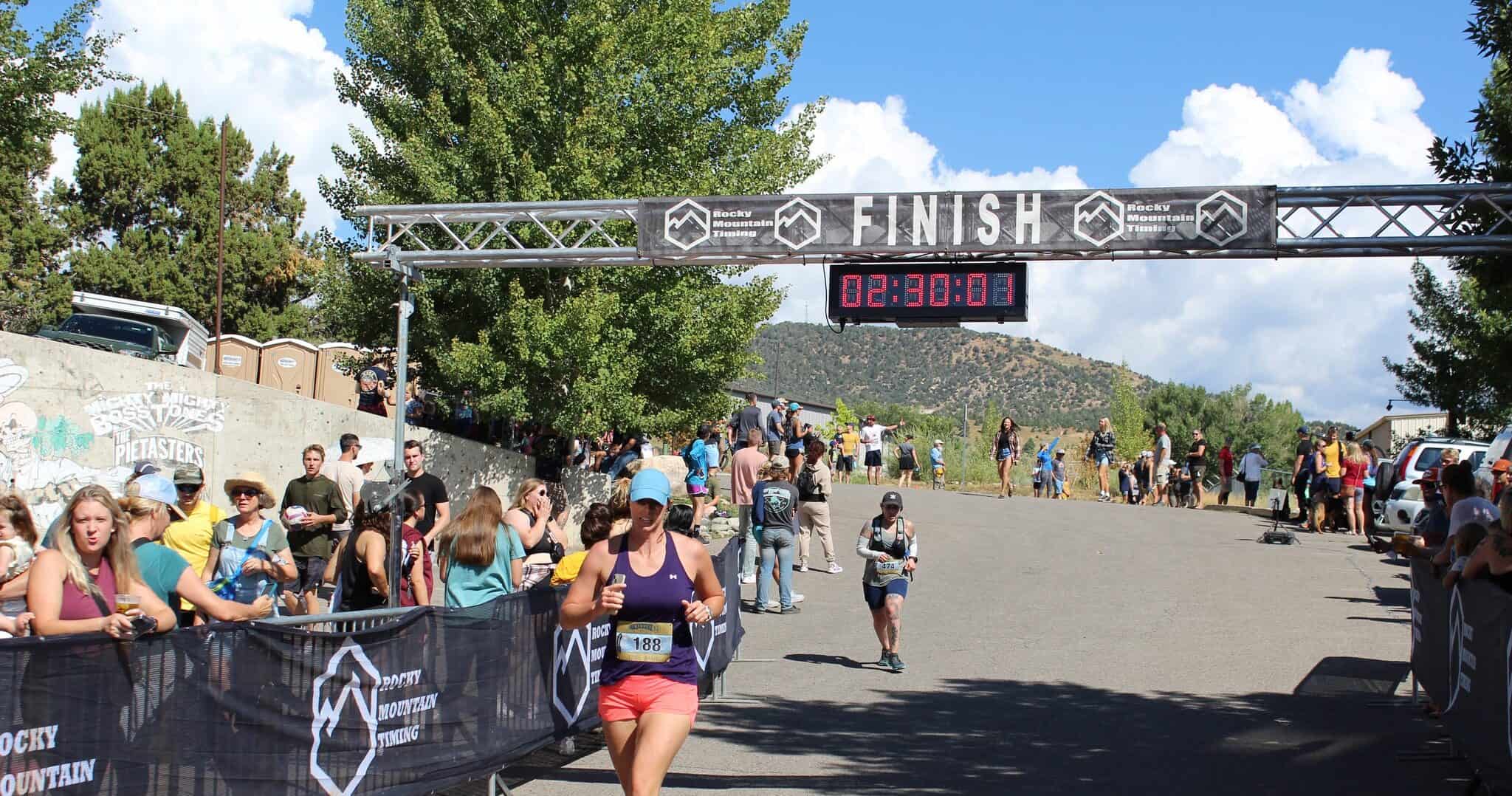
It’s a distance that fits perfectly into a busy life. You don’t need to dedicate months to extreme training like you might for a full marathon. A few consistent runs a week, a couple of longer weekend efforts, and you’re well on your way. It’s about finding that balance between pushing yourself and enjoying the process.
So, to reiterate: a half marathon is 13.1 miles. But it’s so much more than just a number. It’s an invitation. An invitation to challenge yourself, to explore your limits, and to experience the incredible feeling of accomplishment that comes with setting a goal and seeing it through.
Connecting 13.1 to Daily Life
This whole half marathon journey, while specific to running, mirrors a lot of what we face in our everyday lives. We often have big goals – a career change, learning a new skill, improving a relationship. These goals can feel daunting, like a full marathon. But breaking them down, much like we do with race distances, makes them manageable.
That 13.1 miles isn’t just about conquering a physical distance. It’s about the smaller steps: the consistent training runs, the healthy food choices, the early mornings. These are the “miles” we log in our personal lives. We learn patience, perseverance, and the power of incremental progress. We learn that showing up, even when it’s tough, is often the most important part.
And just like hitting that final mile of a half marathon, there’s an immense satisfaction in achieving something you’ve worked hard for. It’s a reminder that we are capable of more than we often give ourselves credit for. So, whether you’re lacing up for your first 13.1 or just contemplating the idea, remember it’s a journey of achievable steps, built on consistent effort, and ultimately, incredibly rewarding.