Alright, gather 'round, you glorious petrolheads and diesel devotees! Let's have a little chinwag, shall we? We're talking about something that, let's be honest, sounds about as exciting as watching paint dry on a particularly dull Tuesday. We're diving deep, deeper than a submarine in a bathtub, into the mysterious realm of the DPF filter replacement cost. Yep, you heard that right. The Diesel Particulate Filter. The thing that’s supposed to be saving the planet, one puff of soot at a time. But oh boy, can it cost you a pretty penny when it decides to go on strike.
Picture this: you're cruising along, enjoying the gentle rumble of your diesel, feeling all eco-conscious and smug. Then, BAM! A little orange light pops up on your dashboard. It's not a cute Christmas tree light, folks. This is the "Your Wallet is About to Weep" light. And more often than not, it's pointing its accusing finger squarely at your trusty old DPF.
The DPF: A Grumpy Old Gatekeeper
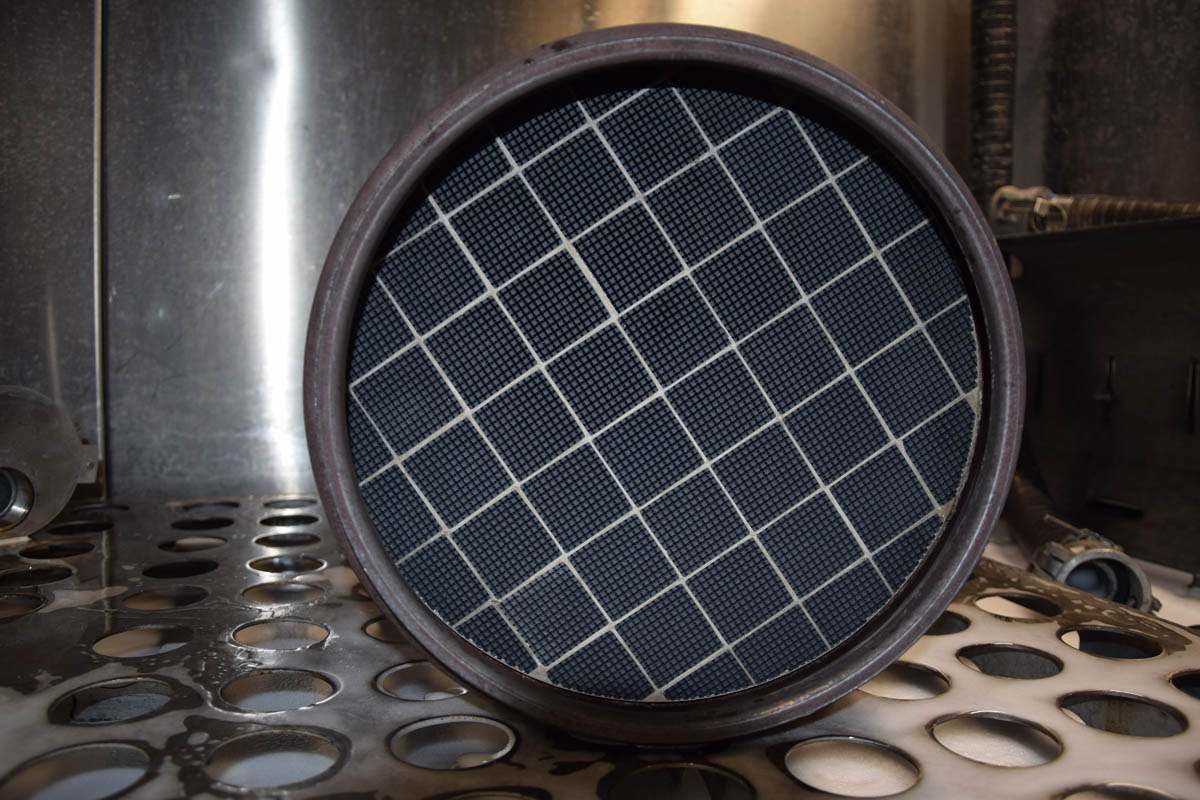
So, what exactly is this DPF creature? Think of it as your engine's grumpy doorman. Its sole job is to catch all those nasty little soot particles that your diesel engine likes to cough up. It’s a bit like a very fancy, very expensive sieve. It traps the bad stuff, so it doesn't end up polluting the air we breathe. Admirable, right? We all want cleaner air, don't we? Unless, of course, you own a diesel and are about to get a bill that could choke a small dragon.
These filters are designed to last a good long while, usually for the life of the car, if you treat them right. They're clever little things too; they’ll often regenerate themselves. This is basically the filter having a good old clear-out, burning off the trapped soot at high temperatures. It’s like a mini spa day for your DPF. But, like any spa day, it needs the right conditions. Short city journeys? Too many stop-starts? It’s like telling your doorman to clean a five-star hotel lobby with a damp tissue. Eventually, it’s going to get overwhelmed.
When the Doorman Goes on Permanent Holiday
And when the doorman decides he’s had enough, and can’t be bothered to regenerate anymore, that’s when the trouble, and the cost, really starts. It becomes clogged, choked, and utterly useless. It’s like trying to breathe through a straw that’s been filled with concrete. Your engine starts to struggle, your performance dips faster than a poorly told joke, and that dreaded warning light becomes your new dashboard nemesis.

So, what are your options when your DPF has shuffled off this mortal coil? Well, you've got a few paths, and none of them are paved with gold. You can get it cleaned, you can get it replaced, or, and this is where things get really spicy, you can get it removed (which, by the way, is a big no-no and can land you in a heap of legal trouble, not to mention void your insurance. Don't do it, you rebels! Stick to the legal routes, even if they’re pricier).
The Cost Conundrum: Let's Talk Numbers (and Tears)
Let's get down to brass tacks. What's this DPF filter replacement cost going to set you back? Drumroll, please… it can range from a few hundred quid to well over a grand! Yes, you read that right. A grand. That’s enough to buy a small island, or at least a very decent holiday where you don't have to think about car parts.
Why such a massive range, you ask? Well, several factors are at play, much like the ingredients in a really complicated cocktail. First off, the make and model of your car. A DPF for a little Fiat might be significantly cheaper than one for a hulking Land Rover. Think of it as the difference between a tiny, adorable fluffy kitten and a very large, very expensive lion.
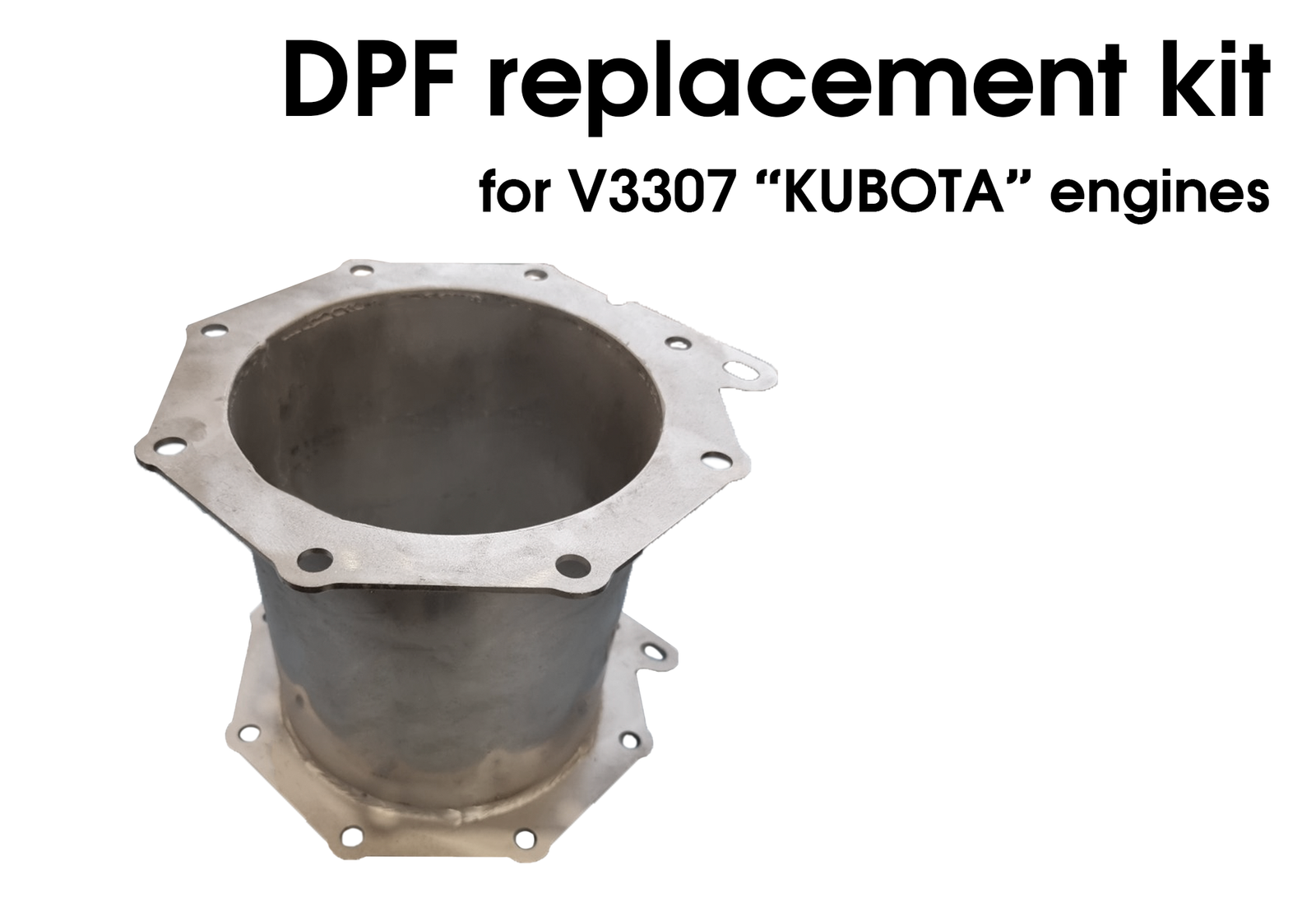
Then there's the type of DPF. Some are integrated into the exhaust system, making them a nightmare to access. Others are standalone units. Accessibility is key, folks. If your mechanic has to dismantle half your car just to get to the thing, that labour cost is going to climb faster than a squirrel on caffeine.
And then, of course, there's the part itself. Are you going for a genuine OEM (Original Equipment Manufacturer) part? These are usually the most expensive, but they’re guaranteed to fit and function as intended. They’re like the designer handbag of DPFs – you pay a premium, but you know what you’re getting. Or, you could opt for a remanufactured or aftermarket DPF. These can offer significant savings, but you need to be a bit more careful about the quality and warranty. It’s like buying a pre-loved designer bag – still stylish, but with a bit more history and potentially a few hidden quirks.
The Labour of Love (and Loathing)
Don't forget the labour costs! This is where the mechanics earn their crust. Replacing a DPF isn’t usually a five-minute job. It can take a few hours, especially if, as I mentioned, it’s in a tricky spot. So, factor in the hourly rate of your chosen garage. A dealership will almost always be more expensive than an independent specialist. It's like choosing between a Michelin-starred restaurant and your favourite greasy spoon – both serve food, but the bill is a different story.
And what about that cleaning option we mentioned? This can be a much cheaper alternative. You can send your DPF off to a specialist cleaning service, or some garages have their own cleaning machines. This can cost anywhere from £150 to £400, which is a sigh of relief compared to a full replacement. However, it's not always a permanent fix. If the DPF is too far gone, cleaning might just be delaying the inevitable. It's like giving your grumpy doorman a stern talking-to when he really needs to retire.
Surprising DPF Facts to Blow Your Mind (or Just Bore You)
Here’s a fun fact for you: the first DPF systems were introduced way back in the late 1980s! So, this isn't some brand-new, bleeding-edge technology. It's been around long enough to have a mid-life crisis. Another surprising thing? The sheer weight of some of these things. A large DPF can weigh a good few kilograms, like carrying around a very expensive brick in your exhaust.
And here’s a really wild one: in some countries, if your DPF is illegally removed, you could face a hefty fine, and your vehicle might be deemed unroadworthy. So, that tempting option of just "unbolting it" is not just dodgy, it's downright illegal. Stick to the legal remedies, folks, even if it means your bank account takes a bit of a beating.
Keeping Your DPF Happy: A Proactive Approach
So, how can you avoid this wallet-watering scenario? A little bit of preventative maintenance goes a long way. If you do a lot of short trips, try to give your car a good long run on the motorway every so often. This helps with that crucial regeneration process. Think of it as giving your doorman a nice long break in a tropical resort.
Also, make sure your car has the correct DPF-specific oil. Using the wrong oil can actually clog up the filter faster. It's like trying to use dish soap to wash your hair – it's just not going to end well. Your car manual will tell you exactly what you need. Don't be a hero, read the manual!
Ultimately, a DPF filter replacement cost is a significant expense. It’s not a minor annoyance; it’s a major repair. But by understanding what it is, why it fails, and how to potentially prolong its life, you can hopefully navigate this tricky situation with a little less panic and a lot more knowledge. And who knows, maybe you'll even save enough on your next DPF issue to afford that small island after all!