So, you're thinking about sprucing up your floors with that snazzy laminate? You've probably spent hours scrolling through Pinterest, dreaming of that perfect wood-look, or maybe that sleek stone vibe. You’re picturing yourself barefoot, doing a little happy dance on your new floor, with not a care in the world. But then, the nagging question pops up, like that one sock that always goes missing in the laundry: Does laminate need underlay?
Let's be real, the world of flooring can feel like a secret society sometimes. You've got terms like "click-lock," "tongue and groove," and then suddenly, BAM! You're hit with "underlayment." It's enough to make you want to just throw down an old rug and call it a day. But fear not, fellow floor enthusiast! We're about to break down this underlay situation in a way that's as easy-going as a Sunday morning. Think of it like this: you wouldn't wear a fabulous new outfit without the right underwear, right? Well, laminate is kind of the same. It can go commando, but it’s usually a lot better with a little something underneath.
The Grand Underlay Debate: Is it a Must-Have or a Meh?
Okay, so here's the skinny. In a perfect world, with a perfectly flat, perfectly smooth subfloor, you could technically lay laminate directly onto it. It would click together, and voilà, you'd have a floor. But let’s face it, our homes aren't always perfectly manicured showpieces. They're lived-in. They've seen spills, dropped toys, and probably a few questionable dance moves.
Think about your subfloor. It’s the foundation, the unsung hero of your floor. It’s probably concrete in many cases, or maybe old, creaky hardwood. Is it as smooth as a baby’s bottom? Probably not. There might be tiny bumps, little imperfections, or even the ghosts of stubborn old flooring that just wouldn't quit. This is where underlay starts to look less like an optional accessory and more like a necessary sidekick.
The "Bare Bones" Approach: Why Going Without Might Haunt You
Let's imagine you decide to skip the underlay. You’re feeling brave, economical, or maybe just really eager to get that new floor down. You click and lock those laminate planks together, feeling pretty smug about saving a few bucks. And for a while, it might even be fine. But then, the little annoyances start to creep in.
You'll start hearing it. That slight squeak. You know the one. It’s like your floor is perpetually whispering secrets you’re not meant to hear. And it’s not just the sound. You might feel it too. A little bit of give under your feet. It’s like walking on a slightly loose tooth. Not exactly the solid, comforting feeling you were hoping for.
Furthermore, that little imperfection in your subfloor? It’s now a potential pressure point for your laminate. Over time, these pressure points can cause the edges of your planks to wear down, chip, or even break. It's like constantly stepping on a Lego – it’s going to cause damage eventually, even if you try to tiptoe around it. And let's not even get started on moisture. If your subfloor is concrete, and it’s got even a whisper of moisture, going without a vapor barrier underlay can lead to a whole world of laminate-related misery. We’re talking warping, buckling, and the general desolation of your beautiful new floor. It's the flooring equivalent of leaving your ice cream out on the counter – nobody wins.
The Underlay Advantage: More Than Just a Buffer
Now, let’s talk about the hero of our story: the underlay. Think of it as a superhero cape for your laminate. It’s not just there to look pretty; it’s got a job to do, and it does it with style and substance.
:max_bytes(150000):strip_icc()/underlayment-for-laminate-flooring-1822245_01-cad66fe5f1ab47b28c30a7d9ccfb702c.jpg)
1. The Great Equalizer: Smoothing Out the Bumps
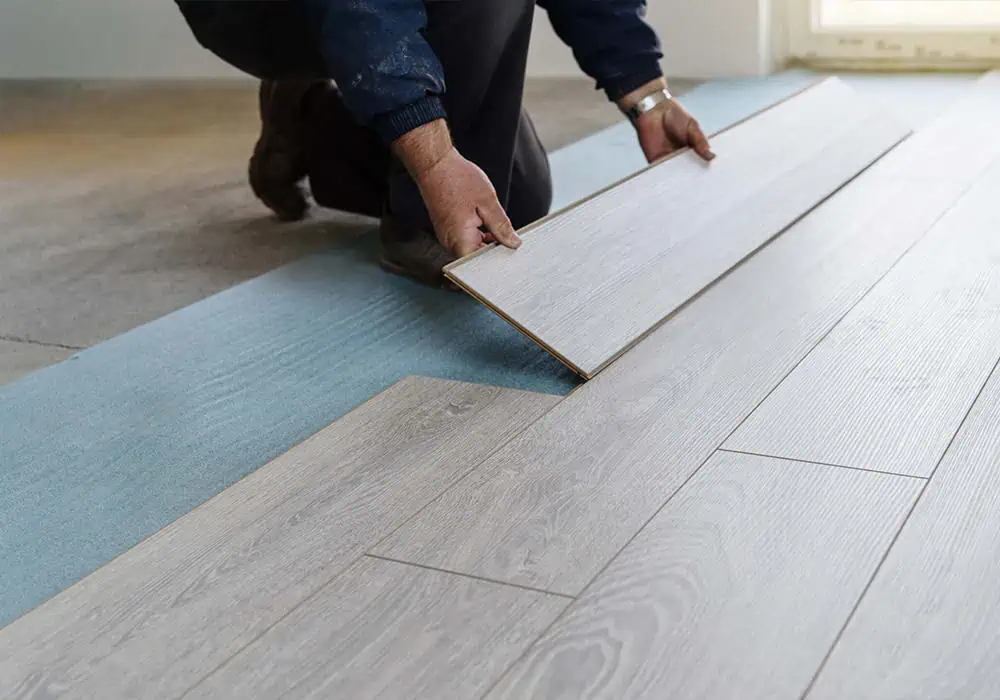
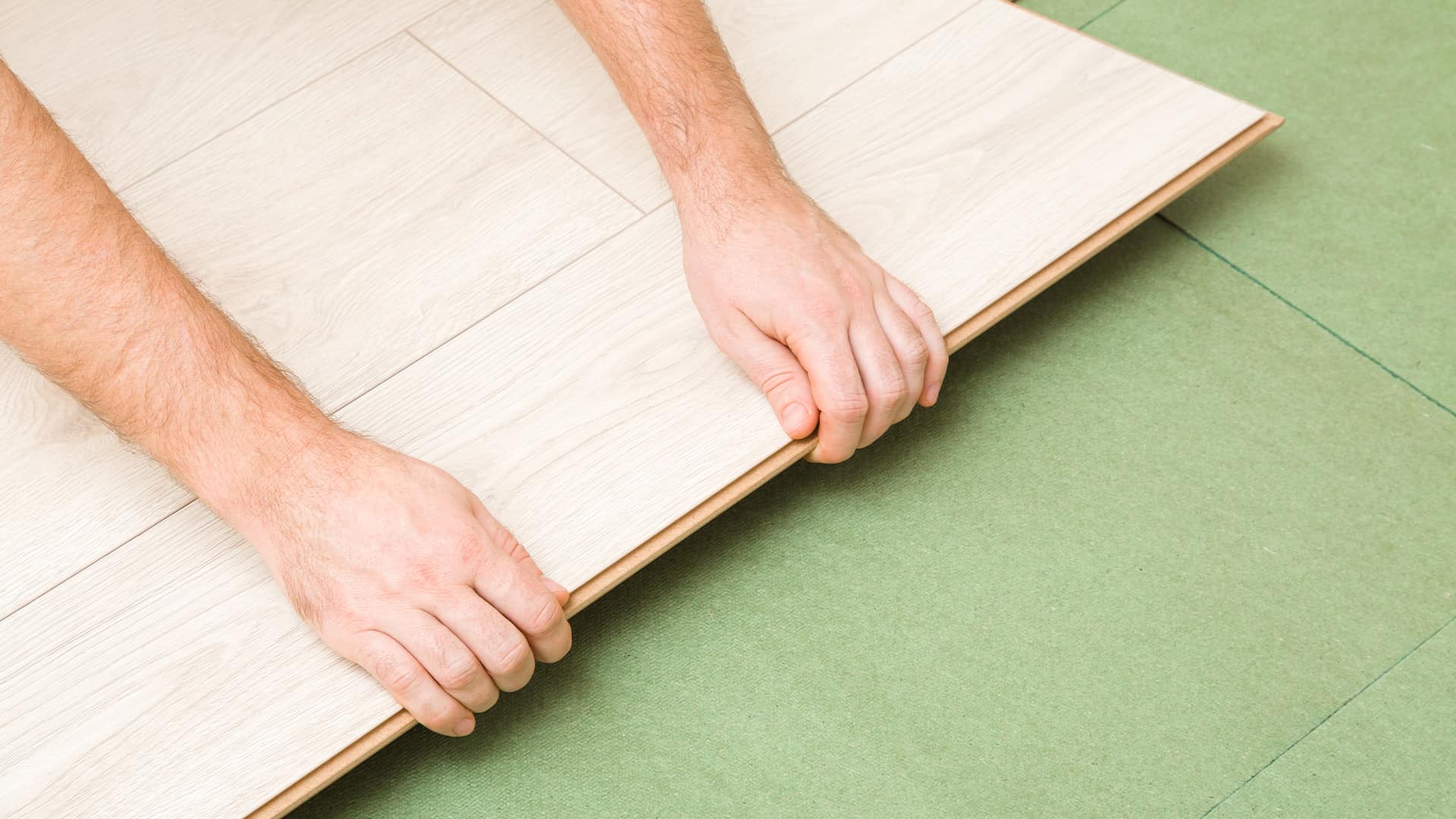
Remember those little imperfections in your subfloor? Underlay is like a magical fairy godmother that smooths them all out. It creates a nice, even surface for your laminate to lie on. This means no more squeaks, no more creaks, and no more worrying about stepping on a rogue pebble that’s somehow made its way under your floor. It’s like putting a really good, thick rug pad under your favorite rug – it just feels better.
2. The Sound Barrier: Peace and Quiet for Your Home
This is a big one, especially if you live in an apartment building or have a bustling family. Laminate can be a bit of a noisy character on its own. When you walk on it, the sound can travel. Underlay acts as a fantastic sound dampener. It absorbs impact, reducing the noise that travels downwards and upwards. So, your upstairs neighbors (or downstairs ones!) will thank you. It’s like wearing noise-canceling headphones for your feet. Suddenly, those late-night trips to the kitchen for a midnight snack are a lot more stealthy.
3. The Moisture Shield: Keeping the Dampness at Bay
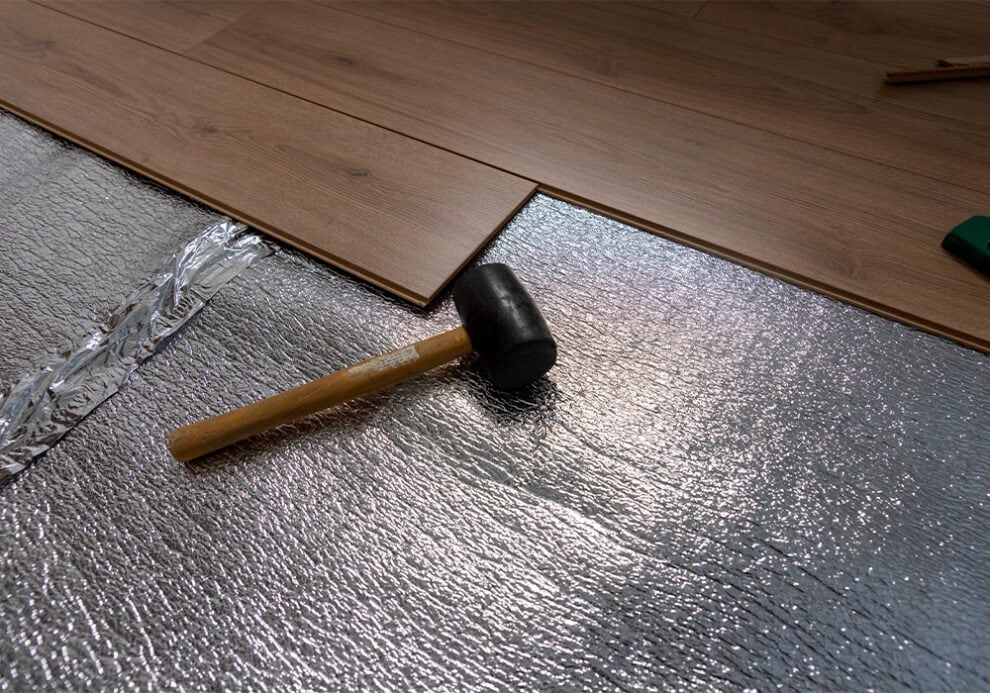
For concrete subfloors, this is where underlay really shines. Many types of underlayment come with a built-in vapor barrier. This is crucial for preventing moisture from rising up from the concrete and wreaking havoc on your laminate. It’s like a raincoat for your floor. Without it, that seemingly harmless dampness can turn into a full-blown flood of laminate destruction. Think of it as essential protection, especially if your basement or ground-level floor sometimes feels a bit… well, damp.

4. The Comfort Factor: A Little Extra Cushion
While not its primary job, underlay does add a touch of comfort underfoot. It provides a slight cushioning effect, making your laminate feel a bit softer and more forgiving. It’s not like walking on clouds (that’s a whole other flooring category!), but it’s a noticeable difference. It’s that little bit of give that makes standing for extended periods – like when you’re doing the dishes or cooking up a storm – a little more pleasant.
5. Extending the Lifespan: A Smart Investment
By providing a stable, protected surface, underlay helps protect your laminate from damage. This means your beautiful new floor will look great for longer. It’s a small investment upfront that can save you a lot of headaches (and money) down the line. It’s like getting your car serviced regularly – a little bit of preventative care goes a long way in keeping things running smoothly.
Different Strokes for Different Folks: Types of Underlay
So, you're convinced underlay is the way to go. Great! But now you're faced with a buffet of options. Don't panic! Most laminate flooring will recommend a specific type of underlay, or at least give you clear guidelines. But for your general knowledge, here are a few common players:

1. Foam Underlay: The Everyday Hero
This is probably the most common and budget-friendly option. It’s lightweight, easy to cut, and usually does a decent job of smoothing out minor imperfections and providing some basic sound dampening. It’s the comfortable, everyday sneakers of the underlay world. Perfect for most residential applications.
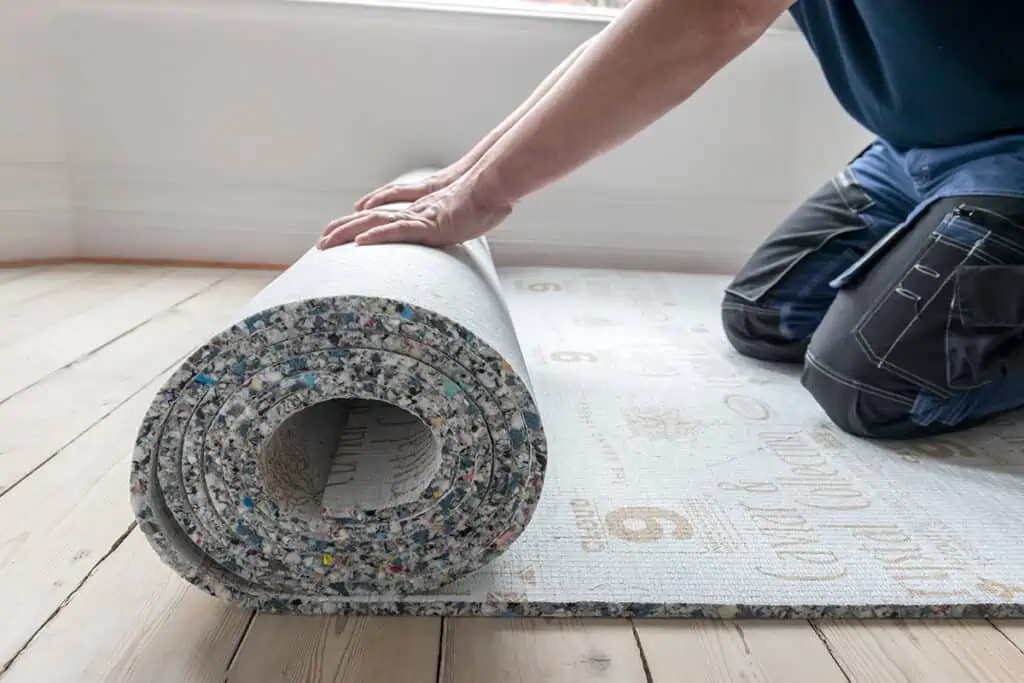
2. Felt or Fiber Underlay: The Eco-Warrior
Made from recycled materials, felt or fiber underlay offers good sound insulation and can be quite dense. It's a great choice if noise reduction is a top priority. Think of it as the heavy-duty soundproofing headphones for your floor.
3. Combination Underlay: The All-Rounder
These underlays often combine multiple layers, like foam and a vapor barrier, or a combination of foam and felt. They’re designed to offer a bit of everything: moisture protection, sound dampening, and cushioning. This is your one-stop shop for maximum floor protection and comfort.

4. Underlayment with Built-in Vapor Barrier: The Moisture Master
As we’ve mentioned, if you’re installing laminate over concrete, especially in a basement or on a ground floor, a vapor barrier is essential. Many underlayments come with this built-in, or you might need to install a separate vapor barrier before your underlay. This is your floor's personal bodyguard against dampness.
The "Read the Instructions" Rule: Your Golden Ticket
Here's the most important piece of advice, and it’s as simple as following a recipe: always, always, always read the manufacturer’s instructions for your laminate flooring. They know their product best. They'll tell you whether underlay is required, what type to use, and even if your subfloor needs any special preparation.
Ignoring these instructions is like trying to assemble IKEA furniture without the manual – you might end up with a wobbly, unstable outcome. Most manufacturers will void your warranty if you don’t follow their installation guidelines, and believe me, no one wants to be staring at a damaged floor and a voided warranty. It’s the flooring equivalent of a bad breakup.
In Conclusion: Give Your Floor the Royal Treatment
So, does laminate need underlay? The short answer is: it’s highly recommended, and often essential, for a beautiful, long-lasting, and comfortable floor. Think of it as the unsung hero of your flooring project. It’s the quiet professional that makes everything else look and feel better.
While you could technically skip it, you’d be trading immediate savings for potential long-term headaches. And who needs more headaches? Life’s too short for squeaky floors and buckling laminate. Give your new floor the support it deserves, and you’ll be rewarded with a space that feels fantastic underfoot for years to come. Happy flooring!