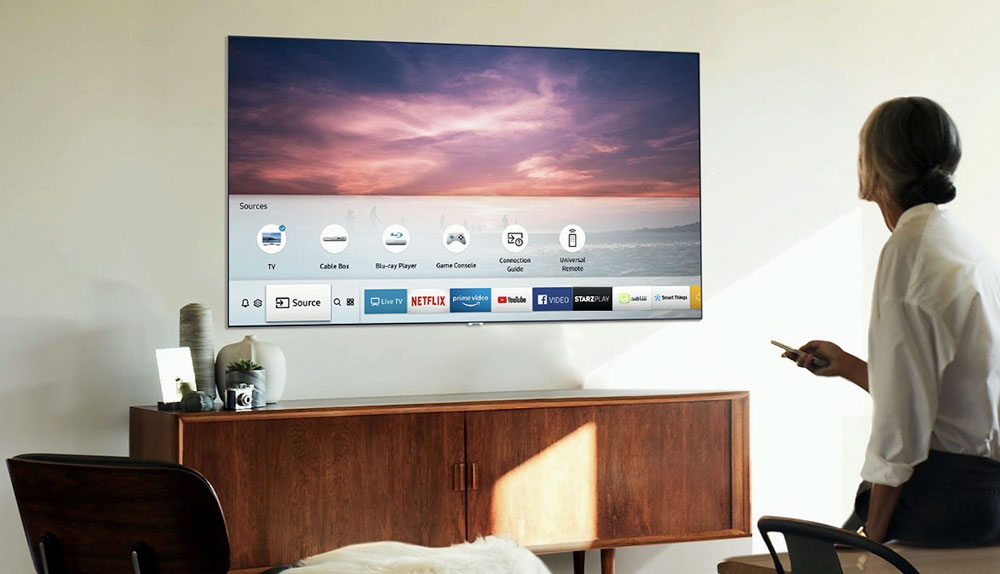
Okay, so picture this: I’m over at my aunt Carol’s place a few weeks ago. Aunt Carol, bless her heart, is still trying to figure out how to work her new-fangled smart TV. It’s one of those giant, ultra-thin ones that looks like it could float away if you weren’t careful. Anyway, she’s fussing with the remote, looking utterly bewildered, and then she says, with this little sigh, “You know, I was thinking, maybe I need to put up that old aerial again. Just in case.”
My immediate thought? “Aunt Carol, what century are we living in?” But then it hit me. She’s not the only one who might be wondering this. With all the talk of streaming, Netflix, Disney+, and whatever else they’re calling it these days, you start to wonder if the good ol’ days of rabbit ears are… well, completely obsolete. So, I decided to dig into it. Do you really need an aerial for your shiny new smart TV?
Let’s be honest, the whole “smart TV” thing can be a bit overwhelming. Suddenly, you’ve got apps, internet connections, and a remote that looks like it belongs on a spaceship. It’s a far cry from the days when your biggest decision was whether to watch cartoons or the evening news. And that’s where the aerial question often pops up, like a ghost from a simpler technological past.
The Streaming Revolution: Is It All You Need?
The main reason most people ditch their aerials (or never even bother with them for their new TVs) is the rise of streaming services. Think about it: Netflix, Amazon Prime Video, Hulu, Disney+, Apple TV+. They offer a seemingly endless buffet of shows and movies, all accessible with a click of a button, provided you have a decent internet connection. It’s convenient, it’s vast, and it’s where a lot of new content is released first.
And for a lot of people, that’s enough. If your viewing habits consist mainly of binge-watching the latest trending series or catching up on films you missed at the cinema, then yes, you might be able to get by without an aerial altogether. Your smart TV, connected to your Wi-Fi, becomes your portal to this digital entertainment universe.
It’s like having your own personal, on-demand cinema at home. No more waiting for your favorite show to air at a specific time. No more commercials interrupting your flow (unless you’re watching a free service, of course, but even then, it’s usually manageable). It’s a powerful proposition, and it’s understandable why it’s become the go-to for so many.
But What About Live TV?
Here’s where the aerial question gets a little more nuanced. While streaming services have conquered the world of on-demand entertainment, they haven’t entirely replaced the need for live television. Think about major sporting events, live news broadcasts, award ceremonies, or even just your local news update. These are things that are happening right now, and not all of them are readily available or easily streamed.
Sure, some streaming services offer live TV packages, like YouTube TV or Sling TV. But these often come with a monthly subscription fee, and can sometimes be just as, if not more, expensive than a traditional cable package. And let's not forget the potential for buffering or internet outages, which can be incredibly frustrating when you’re trying to watch something crucial in real-time.
This is where the humble aerial, or more accurately, an antenna, makes its triumphant (and perhaps surprising) return. For those who still want to catch live, over-the-air (OTA) broadcasts, an antenna is your ticket.
The Magic of Free Over-the-Air (OTA) TV
And here’s the really cool part: with a digital antenna, you can access a surprising number of channels completely free. Yes, you read that right. No monthly fees, no contracts, just pure, unadulterated television. In most areas, broadcasters transmit their signals digitally, and a modern TV or a digital converter box can pick them up.
These are often your local affiliate channels – ABC, NBC, CBS, FOX, PBS, and a host of others that might surprise you. You might get channels dedicated to classic movies, news from specific regions, or even specialized programming that you wouldn’t find on a standard cable package. It’s a hidden treasure trove of content that many people completely overlook.
The quality of these broadcasts can be excellent, often in high definition, rivaling or even surpassing the quality you get from some cable providers. It’s a fantastic option for supplementing your streaming subscriptions or for those who are trying to cut down on their monthly bills. Who doesn’t love free stuff, right?
So, Do YOU Need One? Let’s Break It Down.
Alright, so now we’re getting to the nitty-gritty. The decision of whether or not you need an aerial for your smart TV really boils down to your viewing habits and your priorities. Let’s try to make this as clear as possible, without resorting to overly technical jargon.
Scenario 1: You’re a Die-Hard Streamer.
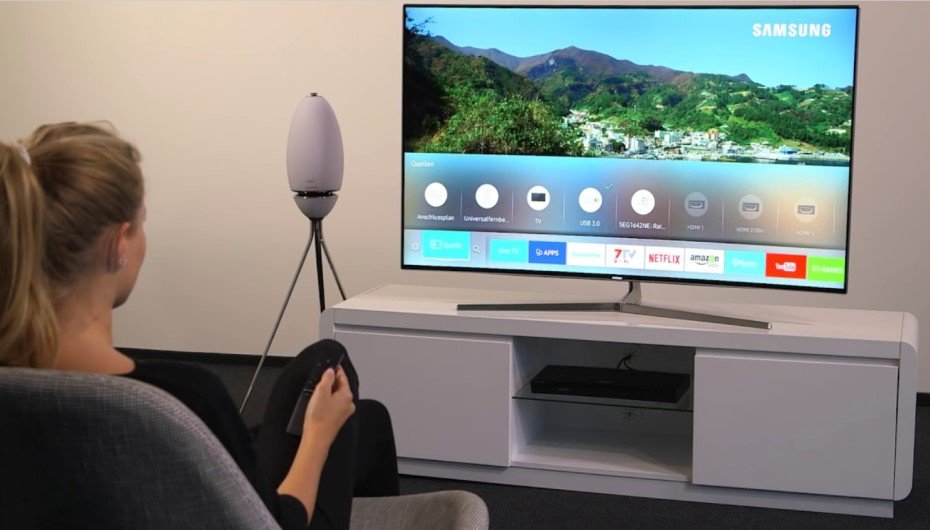
If you live and breathe by your streaming apps, and your idea of essential TV is the latest season of “Stranger Things” or a documentary about penguins that you found on YouTube, then a traditional aerial might be completely unnecessary. Your smart TV, connected to the internet, is your primary gateway to entertainment. You’re already paying for your subscriptions, and that’s where your focus is.
In this case, aunt Carol’s idea of an aerial might be… well, a bit like bringing a dial-up modem to a fiber optics convention. It’s not that it’s wrong, per se, but it’s probably not going to add much to your current setup. You’re already getting your content in a different, more modern way.
Scenario 2: You Still Love Live TV (or Want to Save Money).
This is where the aerial (or antenna, as we should probably call it these days) shines. If you find yourself glued to the news, anticipating the Super Bowl every year, or just like the comfort of knowing you can flick on a channel and see what’s happening, then an antenna is a seriously good investment. And remember, it’s a one-time purchase for a potentially large number of free channels!
Think about it: instead of paying $50, $100, or even more per month for cable or a live TV streaming service, you could buy a decent antenna for anywhere from $20 to $100 (depending on how fancy you want to get), and get a wealth of content for free. That’s a pretty sweet deal, if you ask me. It’s like finding a forgotten twenty-dollar bill in an old coat pocket, but it keeps on giving!
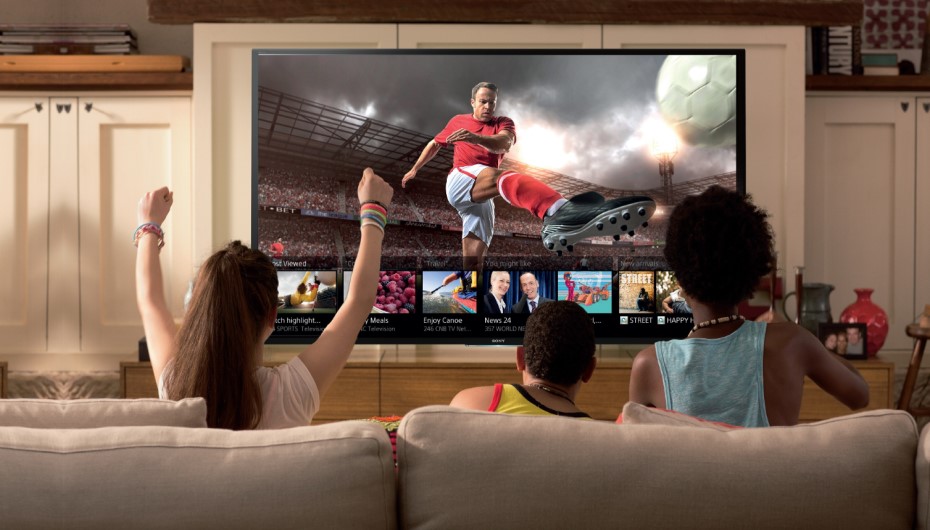
You might still subscribe to a streaming service or two for those must-watch exclusive shows, but the antenna can fill the gaps for your live TV needs, keeping your overall entertainment costs down. It’s a smart way to have your cake and eat it too, without breaking the bank.
What Kind of Antenna Do You Even Need?
Now, if you're leaning towards the antenna route, you might be wondering what kind of gizmo you actually need. The term "aerial" can conjure images of those massive, clunky things that used to perch on rooftops, looking like metal birds’ nests. Thankfully, antenna technology has come a long way.
You’ve got a few main types:
- Indoor Antennas: These are usually small, discreet devices that you can place on a shelf, near your TV, or even mount on a window. They’re great for areas with strong OTA signals and for people who don’t want the hassle of outdoor installation. Some are flat panels, others are more like small boxes. They’re surprisingly effective for their size!
- Outdoor Antennas: For areas with weaker signals or for those who want to maximize their channel reception, an outdoor antenna is the way to go. These are typically mounted on the roof or a pole. They can be directional (pointed at the broadcast towers) or omnidirectional (picking up signals from all directions). They’re the heavy hitters of the antenna world.
- Rooftop Antennas: This is the classic. The big, robust ones that definitely require installation, but offer the best possible reception. If you’re serious about OTA TV and want every single channel available, this is your best bet.
When you're choosing an antenna, it’s a good idea to check online resources that show you what OTA channels are available in your specific zip code and the direction they’re broadcasting from. This will help you decide whether an indoor or outdoor antenna is more suitable, and if a directional antenna would be best.
My Own Experience (and a Little Irony)
Honestly, for the longest time, I was firmly in the "streaming-only" camp. My smart TV was connected to my Wi-Fi, and I had a revolving door of subscription services. An aerial? That felt like a relic of the past. But then, my favorite local sports team announced they were going to be broadcasting some games exclusively on one of the free OTA channels. Cue my internal debate.
I ended up buying a simple indoor antenna, mostly out of curiosity and a desire to see if it was even worth the hassle. And you know what? I was shocked. Not only did I get the game in crystal-clear HD, but I also picked up a dozen other channels I never knew existed, including a fantastic classic movie channel. It was a revelation!

So now, my smart TV has an antenna plugged into it. It’s a little hybrid setup – part cutting-edge streaming machine, part surprisingly capable free-TV receiver. It’s a bit ironic, isn’t it? Using a modern smart TV to watch broadcasts that are essentially the same technology my grandparents used, just with a better picture. But hey, it works, it saves me money, and it gives me more options. What’s not to love about that?
The Verdict: It Depends!
So, back to Aunt Carol’s question. Do you need an aerial for your smart TV? The answer, as you’ve probably gathered, is a resounding it depends.
You probably DON'T need one if:
- Your primary viewing consists of on-demand content from streaming services.
- You’re happy with paying for cable or live TV streaming packages.
- You have unreliable internet and don’t want to rely on it for any TV watching. (Wait, if you don’t rely on the internet, then you probably need an aerial for any TV viewing, right? See, it gets confusing!)
You probably DO need one if:
- You want to watch live, local channels and major events without a monthly subscription fee.
- You’re looking to reduce your overall entertainment costs.
- You enjoy the simplicity and variety of over-the-air broadcasts.
- You want a backup option in case your internet goes down.
In the end, a smart TV is just the display device. It's the way you get your content that matters. Whether that’s through your internet connection and streaming apps, or through the airwaves via an antenna, is entirely up to you and what you want to watch. Don’t be afraid to experiment, especially since a basic antenna is such an inexpensive way to expand your viewing options. You might be surprised at what you find!
So, next time you’re setting up a smart TV, or wondering why your picture isn’t quite right, spare a thought for the humble aerial. It might just be the missing piece of your entertainment puzzle, offering a gateway to a world of free, live television that’s still very much relevant, even in our hyper-connected, streaming-obsessed world. Aunt Carol, you might just be onto something!

